In vitro
Definition
In vitro describes work done in the laboratory, outside a living body, such as in a dish, a tube or a tray of cells.
What it means
The phrase comes from Latin and means 'in glass'. It points back to the glass dishes and tubes that early researchers used. Today the containers are often plastic, but the name stuck.
Laboratory work of this kind lets scientists watch one small part of biology on its own. Cells, proteins or tissue samples sit in a controlled space. Researchers can change one thing at a time and see what happens. That is hard to do inside a whole living body, where many things change at once.
The opposite phrase is in vivo, which means inside a living body. A U.S. National Institutes of Health dictionary entry defines the term as work in the laboratory, outside the body, and names in vivo as its opposite. Both kinds of work answer different questions. A result in a dish does not tell you what happens in a person. It is an early step, not a final answer.
Where you will see it
You will meet the phrase most often when reading a study. The methods section may say that cells were grown and tested in the laboratory. The title or abstract may carry the phrase as a flag, so readers know right away that no living body was involved.
News stories and blog posts use it too, though sometimes they skip it. If an article says a substance did something striking, it is worth checking whether the work happened in a dish or in a living body. The difference changes how much the finding can tell you.
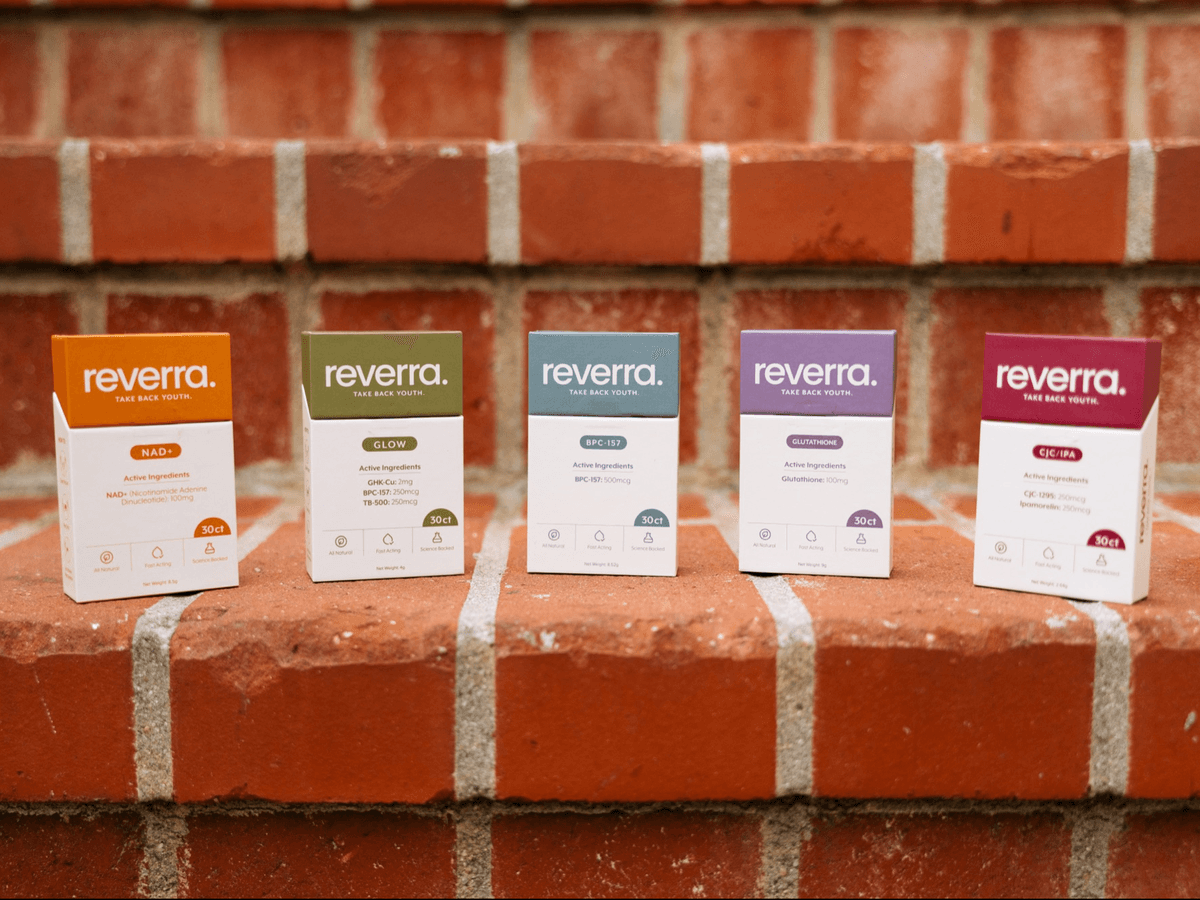
The phrase also shows up on supplement pages and in marketing copy. A company may point to laboratory findings about an ingredient. Reading the phrase carefully helps you see what kind of evidence is being described. If you want other plain definitions like this one, you can browse more terms in the glossary.
A simple example
Picture someone who wants to know how a cloth reacts to water. They drop a small square of the cloth into a bowl on a kitchen counter and watch what happens. The bowl is quiet and steady. Nothing else touches the cloth. That is laboratory-style testing: one piece, one condition, nothing else going on.
Now picture the same cloth sewn into a jacket and worn outside on a windy, rainy day. The wind pulls at it. Body heat warms it. The fabric bends and rubs. The cloth may behave in a way the bowl never showed.
Both tests are useful. The bowl is clean and simple and easy to repeat. The jacket is messy and closer to real life. Science works the same way. A finding in a dish points to something worth studying further. What happens in a living body is a separate question that needs its own research.
For general education; not medical advice.
Sources
- 01NCI Dictionary of Cancer Terms: in vitroA U.S. National Institutes of Health dictionary entry that defines in vitro: "In the laboratory (outside the body). The opposite of in vivo (in the body)."
Related terms
This page is for general information and is not medical advice. Consult your healthcare provider with any question about your health.