In vivo
Definition
In vivo is a Latin phrase that means inside a living body, and it describes work done in a whole living plant, animal or person rather than in a dish.
What it means
Scientists study things at different levels. Some work happens in a glass dish or a test tube. Other work happens inside a living body. The second kind carries this name.
The phrase comes from Latin and means 'within the living'. Its opposite is in vitro, which means in glass. A U.S. National Institutes of Health dictionary entry defines the term simply: 'In the body. The opposite of in vitro (outside the body or in the laboratory).'
The difference matters. A living body is busy and complex. Blood moves. Organs do their jobs. Many parts act at the same time. A dish holds only a few parts, kept apart from everything else. So a result seen in a dish may not show up the same way in a living body.
Where you will see it
You will meet this phrase in the methods part of a study. Writers use it to say the work used living animals or people, not cells on a bench. Review articles often sort findings this way. That lets a reader see which results came from living bodies.
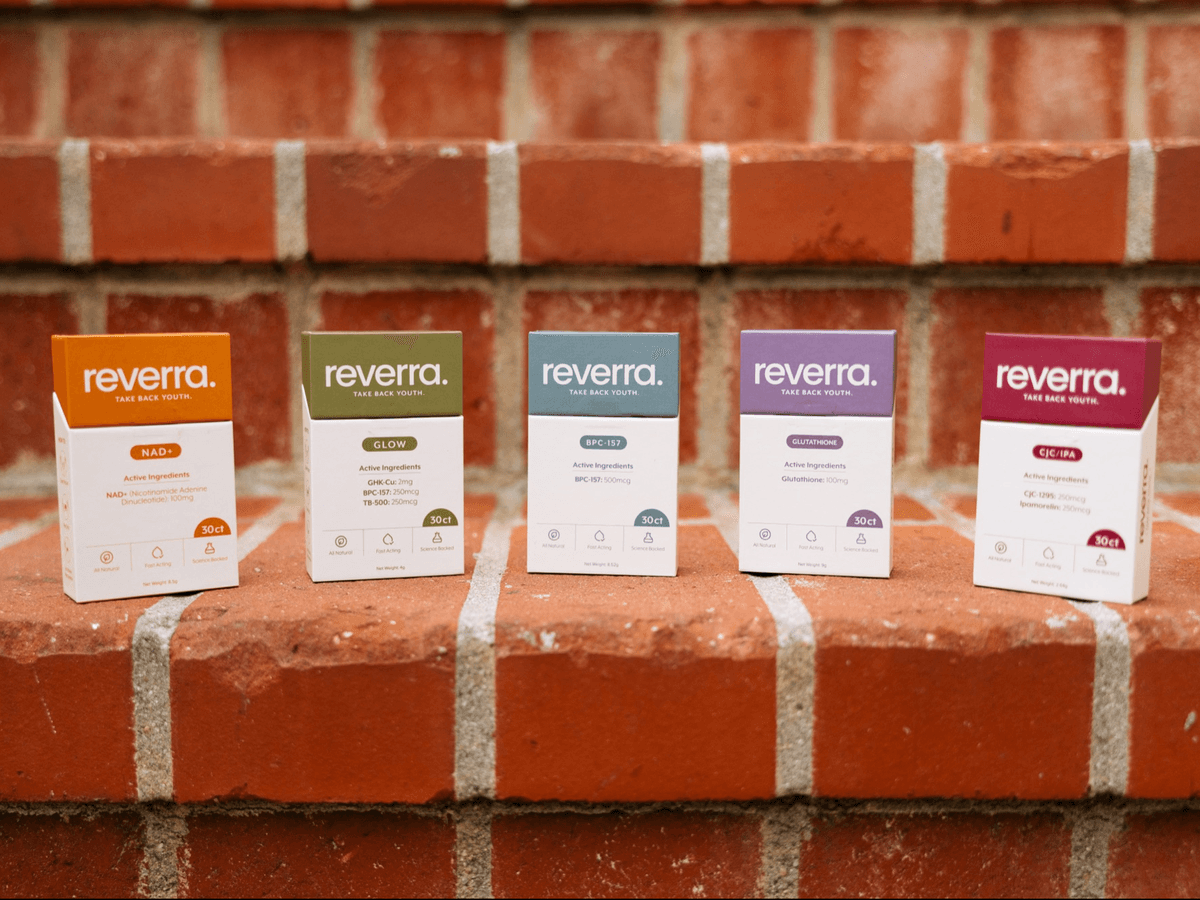
The phrase also shows up in plain summaries of research, including a page that uses the term in vivo. Writing about a substance often notes whether the early work was done in a dish or in a living body. Labels and marketing pages sometimes borrow the phrase too. Read it carefully. The words say where the work happened and nothing more.
If the term is new to you, it sits beside other research words. You can look those up with more terms in the glossary.
A simple example
Picture two seeds. One sits on a damp paper towel on a windowsill. The other goes into garden soil outside.
The seed on the towel is easy to watch. Light, water and warmth stay about the same each day. Nothing else gets in the way.
The seed in the garden lives in a messier place. Rain comes and goes. Insects pass by. Roots from other plants crowd in. The soil changes from one spot to the next.
Both setups teach something real. The windowsill gives a clean, simple view. The garden shows what happens in a full, living setting. Research works the same way. A dish gives the tidy picture. A living body gives the crowded, honest one.
Good readers notice which of the two a sentence is talking about. That one habit makes science writing much easier to follow.
For general education; not medical advice.
Sources
- 01NCI Dictionary of Cancer Terms: in vivoA U.S. National Institutes of Health dictionary entry that defines in vivo: "In the body. The opposite of in vitro (outside the body or in the laboratory)."
Related terms
This page is for general information and is not medical advice. Consult your healthcare provider with any question about your health.