Nutrients
Definition
Nutrients are the chemical substances in food that the body needs to carry out its basic functions.
What it means
Food is more than fuel. It is a mix of many different substances. Some of them give energy. Others act as building material. The word nutrient is the general name for all of them.
Writers often sort them into two broad groups. The first group covers the ones the body takes in by the spoonful or the plateful, such as protein, fat, carbohydrate and water. The second group covers the ones the body takes in by the pinch, such as vitamins and minerals. Both groups matter, and the split is only about how much of each the body takes in.
A reference chapter that defines these substances describes them as chemical substances required by the body to sustain basic functions, and notes that they are best obtained by eating a balanced diet. That chapter is a review of what is already known in the field, not a single experiment.
Some of these substances are called essential. The word has a narrow meaning here. It means the body cannot make the substance on its own, or cannot make enough of it, so food has to supply it.
Where you will see it
The word turns up in everyday places. Nutrition panels on packaged food group the contents of the food under names like protein, fat and fibre. Cookbooks and school lessons use the word the same way.
Research papers use it in a more exact sense. A paper may describe how the body takes a substance apart, moves the pieces around, and stores or uses them. Review chapters and textbooks often start with the plain definition, then move on to each group in turn.
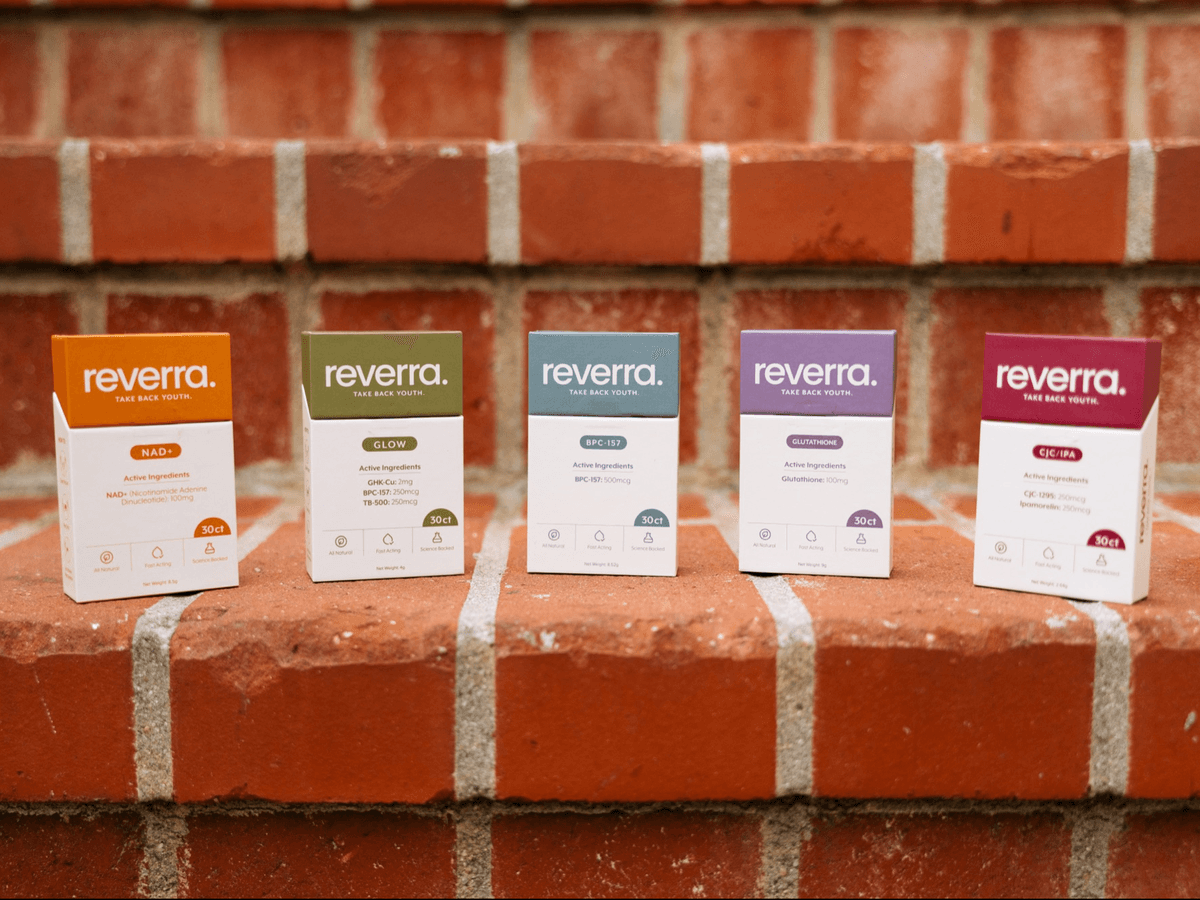
Supplement labels use the word too. A label may list a set of named substances, with a short note about what the product contains. The term also shows up in writing about different ways of taking something by mouth, such as a page that uses the term nutrients. If another word on a label or in a study is unfamiliar, more terms in the glossary are explained in the same plain style.
A simple example
Picture a simple home meal: a bowl of rice, a serving of beans, and a side of cooked greens.
Each part of that plate brings something different. The rice brings mostly carbohydrate, which the body breaks down for energy. The beans bring protein, which the body uses as building material. The greens bring vitamins and minerals, which the body takes in only in tiny shares.
None of these items is a nutrient by itself. Each one is a food that carries several of them. That is the heart of the idea. The word points to the substances inside the food, not to the food on the plate.
So when a label, a textbook or a study uses the term, it is talking about the chemical parts that the body takes from what a person eats and drinks.
For general education; not medical advice.
Sources
- 01Biochemistry, Nutrients PMID 32119432A reference chapter that defines nutrients: "Nutrients are chemical substances required by the body to sustain basic functions and are optimally obtained by eating a balanced diet."
Related terms
This page is for general information and is not medical advice. Consult your healthcare provider with any question about your health.