What Are Peptides? A Plain-English Guide
Guide6 min readUpdated
Short chains of amino acids your body already makes, explained without the biochemistry degree.
On this page5 sections
The one-sentence answer
Peptides are short chains of amino acids, the same building blocks that make up the protein in your food and your muscles. The difference between a peptide and a protein is just length: a few amino acids linked together is a peptide, hundreds folded into a structure is a protein.
Your body makes thousands of its own peptides and uses them as messengers. They carry instructions between cells: make more collagen, release this, switch that off. Levels of many of these messengers decline steadily with age, which is the main reason peptides have become a wellness category of their own.
What are peptides used for?
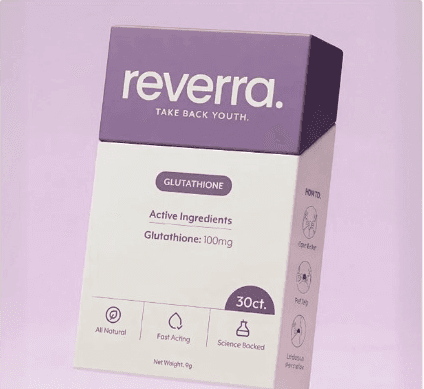
In supplements, specific peptides are chosen for specific goals. Glutathione, a small peptide your body makes, works as an antioxidant inside cells. Others, like BPC-157 and CJC-1295, have been studied mostly in lab and animal research, and their effects in humans are not established.
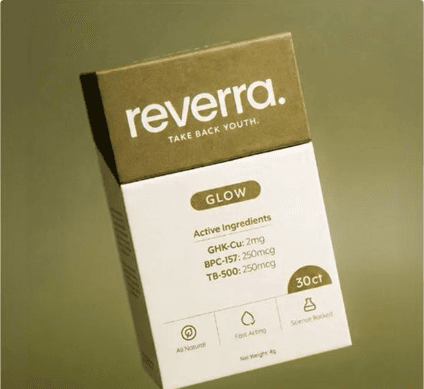
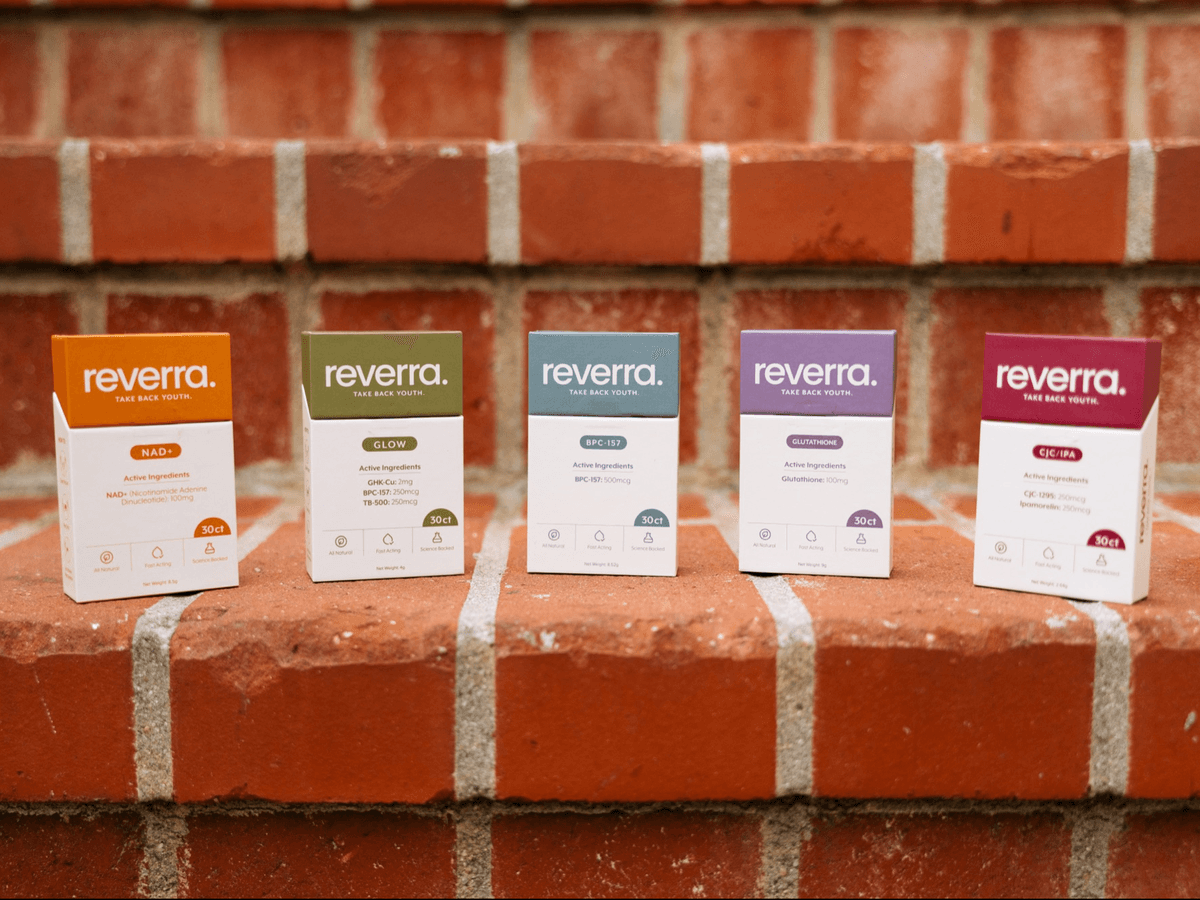
- GHK-Cu (copper peptide): studied mostly in skin creams; oral use is not well studied
- BPC-157: studied in lab and animal research; not established in humans
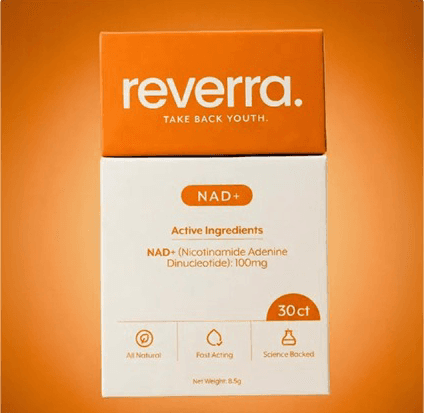
- NAD+: cellular energy and healthy aging
- Glutathione: antioxidant defenses
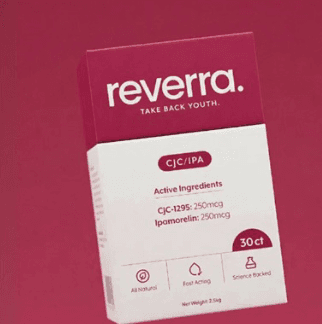
- CJC-1295 + Ipamorelin: studied for growth hormone signaling in research; not established as a supplement benefit
Are peptides steroids?
No. It is one of the most common questions, and the answer is a clean no. Steroids are a different class of molecule entirely, built on a cholesterol backbone. Peptides are chains of amino acids, the components of ordinary dietary protein, and they work through completely different pathways. Being made of amino acids does not make something a steroid any more than eating chicken does.
Are peptides safe and legal?
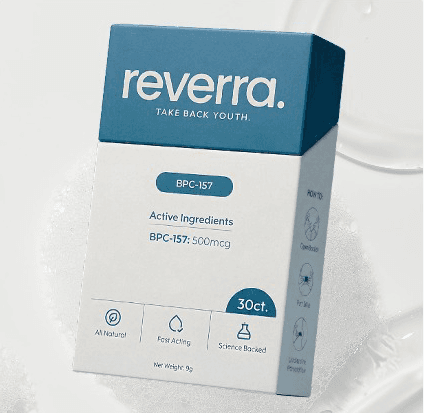
Reverra strips are made in a cGMP-compliant U.S. facility, with third-party Certificates of Analysis for every batch. BPC-157 and the other research peptides in some Reverra strips are not FDA-approved drugs; their status is set by the FDA.
Two sensible caveats. First, supplements are for healthy adults: talk to your healthcare provider before starting anything new, especially if you are pregnant, nursing, taking medication or managing a condition. Second, competitive athletes subject to anti-doping rules should check their organization's current list before using any supplement, peptide or otherwise.
How do you take peptides?
Format matters for everyday use. Capsules need water, powders need mixing, and many peptides break down during digestion. How well any peptide is absorbed from the mouth has not been well studied in people.
Dissolvable strips are the newest answer. A strip melts in your mouth, with no water and nothing to swallow. Each strip is pre-measured, so there is no math and nothing to mix. That format is what Reverra makes.
Common questions
Are peptides natural?
Many supplement peptides are versions of molecules your body already makes. Glutathione and NAD+ exist in virtually every cell, and GHK-Cu circulates naturally in human plasma. Supplement versions are manufactured to replace what declines with age.
Do peptides work if you swallow them?
Many peptides break down during digestion. How well any peptide is absorbed from the mouth has not been well studied in people, so no format can claim to absorb better than another.
Keep reading
This article is for general information and is not medical advice. These statements have not been evaluated by the Food and Drug Administration. Reverra products are not intended to diagnose, treat, cure, or prevent any disease. Consult your healthcare provider before starting any supplement.