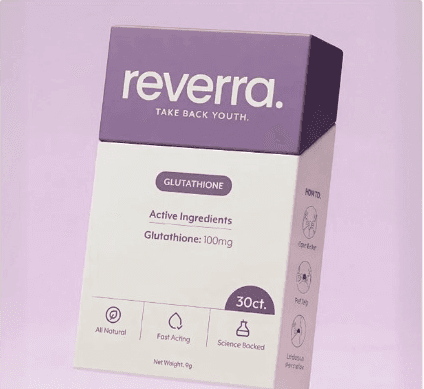
Liposomal Glutathione Supplements: How the Form Works
Guide8 min readUpdated

The short answer
Liposomal means wrapped in tiny fat bubbles called liposomes: a liposomal glutathione supplement holds glutathione inside them, while standard glutathione is the plain molecule. Trial results differ. In a 4-week randomized trial in 40 healthy adults, swallowed glutathione did not change glutathione levels. [Small human study] A 6-month trial in 54 healthy adults reported higher body stores. [Human study]
On this page9 sections
- 01What is glutathione, and what does it do in the body?
- 02What does liposomal mean on a supplement label?
- 03How is liposomal glutathione different from standard glutathione?
- 04What happens to glutathione after a person swallows it?
- 05What have studies of mouth-absorbed forms found?
- 06Why do trials of oral glutathione disagree?
- 07What studies show
- 08What is not known yet
- 09Key takeaways
Liposomal glutathione is the same molecule inside a fat bubble, and human trials of swallowed glutathione have reported mixed results.
What is glutathione, and what does it do in the body?
Glutathione is a tripeptide, a small molecule made of three amino acid building blocks. Nearly every cell in the body makes its own supply. It works as an antioxidant, which means it helps limit damage from unstable molecules. Cells also use it when they handle waste compounds.
Researchers often speak of oxidative stress, the strain on cells when unstable molecules outnumber the body's defenses. Glutathione is one of the defenses they measure. They can measure it in red blood cells, in white blood cells and in blood plasma. Taken together, those pools are called body stores.
Glutathione is not a vitamin. The body builds it from amino acids it already holds. Food contains some of it as well. Because the body is already a maker of this molecule, researchers ask a plain question: does swallowing more of it change the amount inside the body?
That question is harder to answer than it sounds. Blood levels move around during the day. Different labs measure different pools. Trials also run for different lengths of time. All of this helps explain why the published answers do not line up neatly.
What does liposomal mean on a supplement label?
Liposomal means the ingredient sits inside a liposome. A liposome is a very small bubble with a wall made of fat-like molecules. That wall is a lot like the thin skin around a living cell. Water-loving ingredients can ride inside the bubble.
Whether the wrapper changes what happens to glutathione inside a person is a question for trials, not for theory.
These products appear as liquids, gels, soft gels and capsules. Labels sometimes mention fat-like molecules called phospholipids, which form the bubble wall. Some labels mention the size of the bubbles. None of those words report a result in people.
It also helps to know what the word does not mean. It does not mean the molecule skips the stomach. It does not mean a product was tested in a trial. The word describes how the ingredient is packed, and nothing more than that.
How is liposomal glutathione different from standard glutathione?
The molecule inside is the same in both forms. The difference is what surrounds it. A standard product holds plain glutathione in a capsule, a tablet or a powder. A liposomal product adds the fat bubble around the molecule.
The trials on record tested products one at a time. In a 1-month pilot study in 12 healthy adults, a liposomal form raised body stores of glutathione, and the authors call the findings preliminary. [Small human study] In a 6-month randomized trial in 54 healthy adults, daily oral glutathione raised stores in blood and in other body compartments. [Human study]
Another trial reported a different result. In a 4-week randomized trial in 40 healthy adults, oral glutathione did not change glutathione levels or markers of oxidative stress. [Small human study] A result of no change counts as evidence too, and it belongs in the picture.
Those three trials used different lengths, different people and different products. None of them placed a liposomal form and a plain form side by side. So each result stands on its own. Nothing in them ranks one packaging choice against another.
A 2026 review of human studies of oral glutathione gathers what those trials reported, both the possible benefits and the limits. A review does not run a new trial. It reads the ones already published and weighs them.
What happens to glutathione after a person swallows it?
The gut takes small molecules made of amino acids apart. The parts are absorbed, and the body uses them again. This is ordinary work for the digestive system. It applies to many molecules that arrive in food.
Cells have their own doors for this molecule. A 2013 review of lab research describes the transporters, the proteins that carry glutathione into cells and into compartments inside them. That review covers experiments in cells and tissues.
This is background on cell biology only. It does not describe what a swallowed supplement does inside a person. It should not be read as a map of absorption in people. For that question, the human trials named above are the evidence on record.
The honest summary is short. Some trials in people measured a rise in body stores. One trial measured no change. The step between the gut and the blood is still the part researchers argue about.
What have studies of mouth-absorbed forms found?
Some makers place glutathione where the lining of the mouth can take it in. In a study in 15 healthy volunteers, a glutathione tablet absorbed through the mouth lining raised blood glutathione within an hour. [Small human study]
One trial looked at three forms at once. In a 3-week randomized comparison in 20 adults with metabolic syndrome, researchers tested three forms of this chemistry. [Small human study] In that same trial, plasma glutathione rose in the group taking the form held under the tongue. [Small human study] The three were NAC, swallowed glutathione and the under-the-tongue form. NAC is a supplement form of the amino acid cysteine.
Both of these trials were small. Neither of them tested a liposomal product. So they speak only about the forms they tested, in the groups they enrolled.
Why do trials of oral glutathione disagree?
Trials differ in ways that change what they can see. Length is one. A 4-week randomized trial in 40 healthy adults found no change in glutathione levels. [Small human study] A 6-month randomized trial in 54 healthy adults reported higher stores. [Human study]
Group size matters as well. A trial with a dozen people can show a signal that a larger trial does not repeat. That is why the authors of a 1-month pilot study in 12 healthy adults call their own findings preliminary. [Small human study]
The people enrolled are another difference. Some trials enrolled healthy adults. One enrolled 20 adults with metabolic syndrome. [Small human study] Groups like these do not always respond the same way, so results do not transfer automatically.
Finally, trials measure different things. Blood plasma, red blood cells and white blood cells are separate pools. A change in one does not have to show up in another. Reading each trial on its own terms is the careful way to read this field.
What studies show
- In a 1-month pilot study in 12 healthy adults, a liposomal form of glutathione raised body stores, and the authors describe the findings as preliminary. [Small human study]
- In a 6-month randomized trial in 54 healthy adults, daily oral glutathione raised glutathione stores in blood and in other body compartments. [Human study]
- In a 4-week randomized trial in 40 healthy adults, oral glutathione did not change glutathione levels or markers of oxidative stress. [Small human study]
- In a study in 15 healthy volunteers, a tablet absorbed through the mouth lining raised blood glutathione within an hour. [Small human study]
- In a 3-week randomized comparison in 20 adults with metabolic syndrome, plasma glutathione rose in the group taking the form held under the tongue. [Small human study]
- A 2013 review of lab research describes the transporters that move glutathione into cells and into compartments inside them.
- A 2026 review of human studies of oral glutathione sets out the possible benefits reported in trials and the limits of that research.
What is not known yet
The evidence here is thin in places, and the gaps deserve the same plain language as the findings.
The 1-month pilot study enrolled 12 healthy adults, and its authors describe the results as preliminary. [Small human study] A group that small leaves room for chance.
The 4-week randomized trial in 40 healthy adults reported no change in glutathione levels. [Small human study] That result sits beside the trials that reported a rise, and the field has not settled the disagreement.
No trial cited on this page placed a liposomal form and a plain form in the same study. So nothing here shows what the fat bubble itself adds. Claims that compare the two forms would go past the evidence listed.
The 6-month randomized trial in 54 healthy adults reported body stores of glutathione. [Human study] What happens to those stores after a person stops is not covered by any paper cited here.
The mouth-absorbed trials were small as well. One enrolled 15 healthy volunteers. [Small human study] The other enrolled 20 adults with metabolic syndrome, a specific group rather than a broad one. [Small human study]
The 2013 review of lab research stays at the level of cells. It leaves the question of swallowed supplements in people to human trials. The 2026 review of human studies is the place where those limits are laid out together.
Key takeaways
- Liposomal glutathione is the same molecule, packed inside a tiny bubble with a wall of fat-like molecules.
- In a 6-month randomized trial in 54 healthy adults, daily oral glutathione raised body stores. [Human study]
- In a 4-week randomized trial in 40 healthy adults, oral glutathione did not change glutathione levels. [Small human study]
- A 1-month pilot study in 12 healthy adults reported higher stores with a liposomal form, and called the findings preliminary. [Small human study]
- A 2013 review of lab research explains how cells move glutathione, not how a swallowed product behaves in people.
- No trial cited here compared a liposomal form with a plain form head to head, so this page ranks nothing.
The form on a label is a packaging choice, and the human research on swallowed glutathione is still mixed. Anyone curious about a glutathione product can bring that question to a healthcare provider, who knows their full health picture. For use, follow the label directions.
Reverra products are for healthy adults. Talk to your healthcare provider before starting any supplement, especially if you take medication, manage a condition, or are pregnant or nursing.
These statements have not been evaluated by the Food and Drug Administration. Reverra products are dietary supplements and are not intended to diagnose, treat, cure, or prevent any disease.
Common questions
How is liposomal glutathione different from standard glutathione?
The molecule is identical in both. A liposomal product surrounds it with a tiny bubble made of fat-like molecules, while a standard product does not. In a 1-month pilot study in 12 healthy adults, a liposomal form raised body stores of glutathione, and the authors call the findings preliminary. [Small human study]
What is a liposome?
A liposome is a very small bubble. Its wall is built from fat-like molecules, much like the thin skin around a living cell. Water-loving ingredients can sit inside it. Makers use this packaging for several ingredients, and glutathione is one of them. The word describes packaging, not a result.
Does swallowed glutathione raise body stores?
Trials disagree. In a 6-month randomized trial in 54 healthy adults, daily oral glutathione raised stores in blood and other body compartments. [Human study] In a 4-week randomized trial in 40 healthy adults, oral glutathione did not change glutathione levels or markers of oxidative stress. [Small human study]
What is glutathione made of?
Glutathione is a tripeptide, which means a small molecule built from three amino acid building blocks. Nearly every cell in the body makes its own supply from amino acids it already holds. It is not a vitamin, so the body does not depend on food alone for it.
What does oxidative stress mean?
Oxidative stress is the strain cells feel when unstable molecules outnumber the body's defenses. Glutathione is one of those defenses, and researchers measure it in blood plasma and in blood cells. In a 4-week randomized trial in 40 healthy adults, oral glutathione did not change those markers. [Small human study]
Have forms absorbed through the mouth been studied?
Yes, in small trials. In a study in 15 healthy volunteers, a tablet absorbed through the mouth lining raised blood glutathione within an hour. [Small human study] In a 3-week comparison in 20 adults with metabolic syndrome, plasma glutathione rose in the group taking the form held under the tongue. [Small human study]
Does the 2013 transporter review explain supplement absorption?
No. A 2013 review of lab research describes the proteins that carry glutathione into cells and into compartments inside them. That work sits at the level of cells and tissues. It does not describe what happens to a swallowed supplement inside a person.
Did any study place the two forms side by side?
No trial cited on this page tested a liposomal form and a plain form in the same study. Each trial tested its own product in its own group of people. A 2026 review of human studies of oral glutathione gathers the reported benefits and the limits of that research.
How much liposomal glutathione does a person take?
This page gives no amounts of any kind. Amounts belong on the Supplement Facts panel of a specific product, and the simple answer is to follow the label directions. Anyone with questions about a supplement can talk with a healthcare provider, who knows their full health picture.
Does the body make glutathione on its own?
Yes. Nearly every cell builds its own supply from amino acids the body already holds, and this is normal, ongoing work. That is one reason researchers test whether a swallowed supplement changes body stores at all, and why their published answers do not all match.
Why did one trial find no change at all?
Trials differ in length, in group size and in what they measure. The 4-week randomized trial in 40 healthy adults reported no change in glutathione levels. [Small human study] A result of no change is evidence as real as a positive result, and it belongs in any honest summary.
What is still unknown about this form?
Several things. The 1-month pilot study in 12 healthy adults was small, and its authors call the findings preliminary. [Small human study] No paper cited here shows what the fat bubble itself adds, because no cited trial compared the two forms within one study.
References
- 01Oral supplementation with liposomal glutathione elevates body stores of glutathione and markers of immune function, 2018 PMID 28853742
- 02Randomized controlled trial of oral glutathione supplementation on body stores of glutathione, 2015 PMID 24791752
- 03Effects of oral glutathione supplementation on systemic oxidative stress biomarkers in human volunteers, 2011 PMID 21875351
- 04Effects of N-acetylcysteine, oral glutathione (GSH) and a novel sublingual form of GSH on oxidative stress markers: A comparative crossover study, 2015 PMID 26262996
- 05Bioavailability Study of an Innovative Orobuccal Formulation of Glutathione, 2016 PMID 26649136
- 06Glutathione transporters, 2013 PMID 23206830
- 07A review of the potential benefits and limitations of oral glutathione supplementation, 2026 PMID 42446814
This article is for general information and is not medical advice. These statements have not been evaluated by the Food and Drug Administration. Reverra products are not intended to diagnose, treat, cure, or prevent any disease. Consult your healthcare provider before starting any supplement.