What Are the Ingredients in Glutathione?
Question7 min readUpdated

The short answer
Glutathione is a single molecule, so the ingredients in glutathione are three amino acids: glutamic acid, cysteine and glycine. The body links them together in a set order. Supplement labels may also list a carrier or a coating. The human studies so far are small, and the findings are early.
On this page8 sections
Glutathione is one molecule built from three amino acids: glutamic acid, cysteine and glycine.
What is glutathione made of?
Glutathione is made of three amino acids joined in a chain. Amino acids are the small parts the body uses to build proteins. Chemists call glutathione a tripeptide, which means a molecule of three amino acids linked together. The three parts are glutamic acid, cysteine and glycine.
A 2004 review of glutathione and the diet's supply of protein and cysteine gives the full chemical name as gamma-glutamyl-cysteinyl-glycine. That long name is simply a list. It names the three parts in the order they sit in the chain.
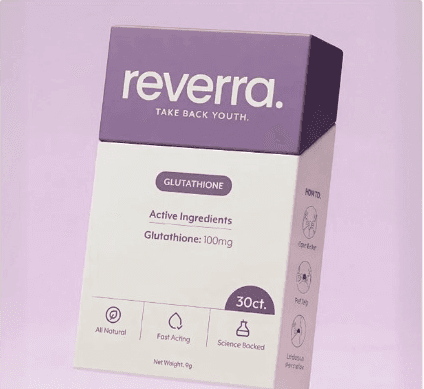
So a product labeled glutathione does not hold a blend of separate nutrients. It holds one molecule. Anything else printed on the label is there to carry that molecule, to flavor it or to hold the serving together. A broader overview of this molecule sits in the glutathione guide.
This is a useful point for label reading. When someone asks what is inside glutathione, the honest answer is chemistry, not a recipe of several active parts. The three amino acids are the molecule itself. They are not separate items stirred together in a bowl.
What does each of the three amino acids add?
Each amino acid holds a set place in the chain. Glutamic acid sits at one end. Cysteine sits in the middle. Glycine closes the chain at the other end. The order never changes, because the body builds the molecule the same way every time.
The bond between the first two parts is unusual. It uses a side branch of glutamic acid rather than the usual end point. That is why the chemical name starts with the word gamma. A 2004 review that explains what the molecule is built from sets out this naming.
Cysteine is the part that carries sulfur. Sulfur gives glutathione much of its chemical character. A 2004 review of how diet supply affects glutathione reports that the supply of protein and of cysteine in the diet affects glutathione levels in the body.
Glycine is the simplest amino acid of the three. It is small, and it finishes the chain. Together, these three parts make a molecule that the body can build, use and rebuild inside its own cells.
How does the body put these parts together?
The body builds glutathione inside cells, step by step, using its own enzymes. Enzymes are proteins that speed up chemical work. The first step joins glutamic acid to cysteine. The second step adds glycine. The finished chain is then ready for the body to use.
A 2024 review of how the body makes and uses glutathione covers this building work, how the body handles the molecule afterwards, and its antioxidant roles. Antioxidant is a plain word for a molecule that helps the body deal with oxidative stress, which is the strain unstable molecules place on cells.
The building work is ongoing. Cells do not make one batch and stop. They keep making the molecule, keep using it, and keep breaking parts of it down again. That steady turnover is why the supply of raw parts matters.
None of this needs a supplement to happen. The body already runs this process on its own. People who want to see how study results are weighed can read how the studies are read.
Does diet change the supply of these parts?
Diet supplies amino acids, and amino acids are the parts glutathione is made from. That simple link is the reason researchers look at protein intake when they study this molecule.
A 2004 review of glutathione and diet supply reports that protein supply and cysteine supply in the diet affect glutathione levels. A 2024 review of how the body makes and uses glutathione covers diet strategies that keep body levels steady.
One trial looked at this directly in people. A small trial in 16 healthy young adults, 8 men and 8 women found that higher protein intake raised how fast red blood cells made glutathione [Small human study]. That same trial in 16 healthy young adults found no change in the amount of glutathione inside the cells [Small human study].
That result is worth stating plainly. A faster rate of making something is not the same as a larger amount of it. That same trial measured both, and only the rate changed [Small human study].
It is also important that this trial tested higher protein intake. It did not test a glutathione supplement.
What else is on a glutathione supplement label?
A supplement label lists the form of glutathione first, then the other ingredients that make up the serving. The molecule itself stays the same three amino acids. The words around it describe the state of the molecule or the way the serving is made.
Labels often print the words reduced glutathione. Reduced is a chemical word about the state of the molecule, not about an amount. A page on reduced glutathione side effects looks at that form in more detail.
Some labels print s acetyl glutathione. That name means a small chemical group has been attached to the molecule. The page on s acetyl glutathione covers what that name means.
Other labels use the word liposomal, which means the molecule sits inside tiny bubbles of fat. The page on a glutathione supplement liposomal form explains how that wrapping is described. None of the papers cited on this page compared these forms, so this page does not rank them.
Below the main ingredient, labels usually carry a line called other ingredients. Those items can include flavors, sweeteners, binders, films or coatings. They are part of the product, not part of the molecule. For any question about use, the plain answer is to follow the label directions.
What studies show
Three papers sit behind this page. Two are reviews. One is an original trial in people, and it is small.
A 2004 review of glutathione and the diet's supply of protein and cysteine explains that glutathione is gamma-glutamyl-cysteinyl-glycine, a small molecule built from three amino acids. The same 2004 review of diet supply also reports that protein and cysteine supply in the diet affect glutathione levels.
A 2024 review of how the body makes and uses glutathione covers the building of the molecule, how the body handles it, its antioxidant roles, and diet strategies that keep body levels steady.
A small 2024 trial in 16 healthy young adults, 8 men and 8 women found that higher protein intake raised the rate at which red blood cells made glutathione [Small human study]. The same small trial in 16 healthy young adults found no change in the amount of glutathione in those cells [Small human study]. The same trial also found no change in markers of oxidative stress [Small human study].
So the human evidence here points in one narrow direction. It is about protein in the diet and the speed of a building step. It is not about taking the molecule as a supplement.
What is not known yet
Plenty is still open.
The small 2024 trial in 16 healthy young adults tested higher protein intake, not a glutathione supplement [Small human study]. That means it cannot say what happens when a person takes the molecule itself.
The same small trial ran in 16 people, which is a small group [Small human study]. Findings from a group that size are early. They need larger work before anyone can describe them as settled.
The same trial in 16 healthy young adults reported no change in the amount of glutathione inside red blood cells and no change in markers of oxidative stress [Small human study].
A 2024 review of how the body makes and uses glutathione covers diet strategies that keep body levels steady. It is not an original trial, so it reports no new measurements of its own.
A 2004 review of glutathione and diet supply explains what the molecule is made of and how diet supply affects its levels. It does not report what supplement forms do in people.
Several questions stay open. Long term effects in people are not settled. How different label forms behave in the body is not settled either. Readers can follow more questions answered and glutathione: common questions as new work appears.
Key takeaways
- Glutathione is one molecule, built from three amino acids: glutamic acid, cysteine and glycine.
- The word tripeptide simply means three amino acids joined in a chain.
- A 2004 review of glutathione and diet supply reports that protein and cysteine supply in the diet affect glutathione levels.
- A small 2024 trial in 16 healthy young adults found that higher protein intake raised the rate at which red blood cells made glutathione [Small human study].
- The same small trial found no change in cell glutathione amounts and no change in markers of oxidative stress [Small human study].
- Supplement labels add a form name and other ingredients around that one molecule, and the answer to any use question is to follow the label directions.
Reading a label becomes simpler once the chemistry is clear. The ingredient is one molecule with three named parts, and everything else on the panel supports the serving. Anyone with questions about this ingredient can talk to a healthcare provider, who can look at the full personal picture. Reverra products are for healthy adults. Talk to your healthcare provider before starting any supplement, especially if you take medication, manage a condition, or are pregnant or nursing. These statements have not been evaluated by the Food and Drug Administration. Reverra products are dietary supplements and are not intended to diagnose, treat, cure, or prevent any disease.
Common questions
What are the three ingredients in glutathione?
Glutathione is made of three amino acids: glutamic acid, cysteine and glycine. They sit in a fixed order in a single chain. Amino acids are the small parts the body uses to build proteins. The main text explains each part and how the chain is named.
Is glutathione a protein?
Not in the usual sense. Proteins are long chains of many amino acids, while glutathione is a short chain of only three. Because of that short length, chemists give it a different name. The main text sets out the chain and the order of its three parts.
What does the word tripeptide mean?
Tripeptide means a molecule made of three amino acids joined together. The prefix tri stands for three, and peptide describes the type of bond that links amino acids. Glutathione fits that description exactly. The main text names its three parts and the order they sit in.
Does the body make glutathione on its own?
Yes. Cells build glutathione from its three amino acids using their own enzymes, which are proteins that speed up chemical work. The building happens in steps rather than all at once. The main text describes those steps and links to a review that covers them.
What does reduced glutathione mean on a label?
Reduced is a chemistry word describing the state of the molecule. It does not describe an amount, and it does not mean something was taken away. The ingredient is still the same three amino acid chain. The main text points to a page on that form.
What is s acetyl glutathione?
It is a name for the glutathione molecule with a small chemical group attached to it. The underlying chain of three amino acids stays the same. Labels use the longer name to show which form is inside. The main text links to a page on that form.
What does liposomal mean on a glutathione label?
Liposomal means the molecule sits inside very small bubbles made of fat. The wrapping is part of how the product is made, not part of the molecule itself. The main text links to a page that covers how that word is used on labels.
Does protein in the diet matter for glutathione?
Diet supplies the amino acids that glutathione is built from, so researchers study protein intake when they look at this molecule. The main text reports what the cited review and the cited trial examined.
What are other ingredients on a supplement label?
Other ingredients is the label line for items that are not the main ingredient. It can include flavors, sweeteners, binders, films or coatings. These help form the serving and hold it together. They are part of the product, not part of the glutathione molecule.
How can someone tell what is in a glutathione product?
The Supplement Facts panel names the ingredient and its form, and the other ingredients line names everything else. Reading both lines gives the full picture. For any question about use, the plain answer is to follow the label directions on the package.
Is the glutathione molecule the same in every form?
The core chain of three amino acids is the same. What differs is the state of the molecule, the chemical group attached, or the way it is wrapped for the serving. This page does not rank forms, because the cited papers did not compare them.
Who should speak with a healthcare provider about glutathione?
Anyone who takes medication, manages a condition, or simply wants guidance for their own situation can bring the question to a healthcare provider. A provider can look at the whole personal picture. This page is general education and is not medical advice.
References
This article is for general information and is not medical advice. These statements have not been evaluated by the Food and Drug Administration. Reverra products are not intended to diagnose, treat, cure, or prevent any disease. Consult your healthcare provider before starting any supplement.