Questions
Straight answers.
Short, plain-English answers to common supplement questions, each one linked to the full guide and the studies behind it.
Question
What Is Probiotics? A Plain Guide to Live Cultures
Probiotics are live microbes taken in amounts meant to support the body, usually the gut. Asking what is probiotics really means asking what these live cultures are, how they act, and what research has measured. The human studies so far are small, and the findings are early.
Read
Question
How Is NAD+ Made in the Body?
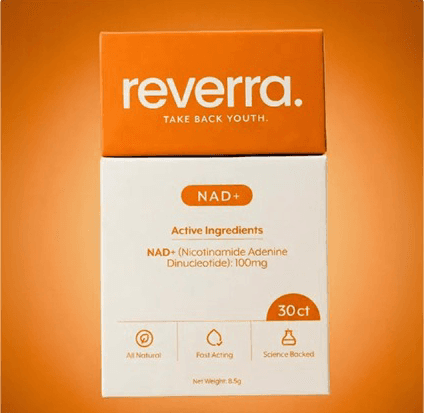
How is NAD+ made? The body builds it in two general ways: from scratch, using small starting parts that come from the diet, and by rebuilding it from the pieces left over after cells break it down. Both routes run all the time. Work in people is still early.
Read
Question
What Is the Function of NAD+ in the Body?
What is the function of NAD+? NAD+, short for nicotinamide adenine dinucleotide, is a helper molecule in every living cell. It takes part in how cells turn food into energy, handle unstable molecules and repair themselves. Levels change with age. The human studies on it so far are small, and the findings are early.
Read
Question
What Is Gotu Kola? A Plain Look at the Evidence
What is gotu kola? Gotu kola is a leafy plant, known in science as Centella asiatica. Its leaves hold plant compounds that researchers have studied for years. Most of that work comes from labs and animals. The human studies so far are small, and the findings are early.
Read
Question
What Is L Glutamine? A Plain Look at the Amino Acid
L glutamine, also written L-glutamine, is an amino acid: one of the building blocks that make up protein. It is sold as a supplement in powders, capsules and strips. Research describes how the body uses it and how adults handle it. The human studies so far are small, and the findings are early.
Read
Question
Is Hydroxytyrosol a Polyphenol? What the Research Says
Yes. Hydroxytyrosol is a polyphenol, which is a plant compound built around a ring structure with hydroxyl groups attached. It sits in the simple phenol group of that family, and olive oil contains it. Research has looked at how the body absorbs it. The human studies so far are small, and the findings are early.
Read
Question
What Foods Have Hydroxytyrosol?
What foods have hydroxytyrosol? It comes from the olive plant, so olive oil and olive leaf extract are the main food sources studied in people. Olive oil, including extra virgin olive oil, and olive leaf extract are the forms researchers have measured. The human studies so far are small, and the findings are early.
Read
Question
What Does Glutathione Actually Do?
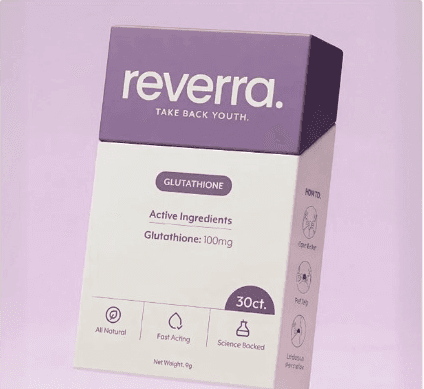
What does glutathione actually do? It acts as one of the body's own antioxidants, a molecule that helps protect cells from damage by unstable molecules. The body builds it inside its own cells and uses it every day. The human studies so far are small, and the findings are early.
Read
Question
What Are the Ingredients in Glutathione?
Glutathione is a single molecule, so the ingredients in glutathione are three amino acids: glutamic acid, cysteine and glycine. The body links them together in a set order. Supplement labels may also list a carrier or a coating. The human studies so far are small, and the findings are early.
Read
Question
How to Raise Glutathione: What the Studies Show
Research on how to raise glutathione has looked at two routes: taking glutathione by mouth, and changing what the diet gives the body to build with. Results across trials differ. The human studies so far are small, and the findings are early.
Read
Question
How to Get Glutathione: What the Research Shows
People who ask how to get glutathione usually mean two things: how the body makes it, and whether a supplement adds to it. The body builds this molecule from amino acids. Supplements taken by mouth have been tested in adults. The human studies so far are small, and the findings are early.
Read
Question
Is Cordyceps Real? What the Science Says
Is Cordyceps real? Yes. It is a real genus of fungi that grows on insects. Two species show up in supplements: Cordyceps militaris and Cordyceps sinensis. Both have been studied in people. Several of those human studies are small, so the findings are early and mixed.
Read
Question
What Is Inulin Made From? Plant Sources Explained
What is inulin made from? Inulin is made from plants. It is a fiber, a long chain of plant sugars. Chicory root is a common source. Jerusalem artichoke and agave store it too. Makers soak the chopped root in hot water, then purify what comes out. Human studies so far are small, so findings are early.
Read