NAD+ vs NMN: What's the Difference?
Guide5 min readUpdated
One is the destination, the other is a connecting flight. Here's how to tell them apart.
On this page4 sections
The 30-second version
NAD+ (nicotinamide adenine dinucleotide) is a coenzyme found in every living cell. It sits at the center of converting food into cellular energy and supports processes tied to healthy aging. Your levels fall substantially with age, which is why the entire category exists.
NMN (nicotinamide mononucleotide) is not NAD+. It is a precursor: a raw material your body must first absorb, then convert into NAD+ before any of it is useful. NMN's popularity is really NAD+'s popularity, one step removed.
Why precursors became popular
For years the standard advice was that taking NAD+ directly by mouth was pointless, because the swallowed molecule breaks down in digestion before it reaches anything. Precursors like NMN and nicotinamide riboside were the workaround: smaller molecules that survive the trip and convert later.
The workaround has costs. Conversion adds a step that varies person to person, and the precursor market's ups and downs have left many people asking why they stopped feeling sure about what they were buying.
What sublingual delivery changes
The open question with oral NAD+ is how much reaches your cells. Human studies on taking NAD+ itself by mouth are limited, and that is true for strips as well.
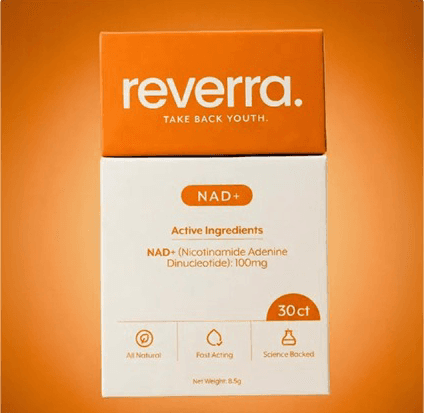
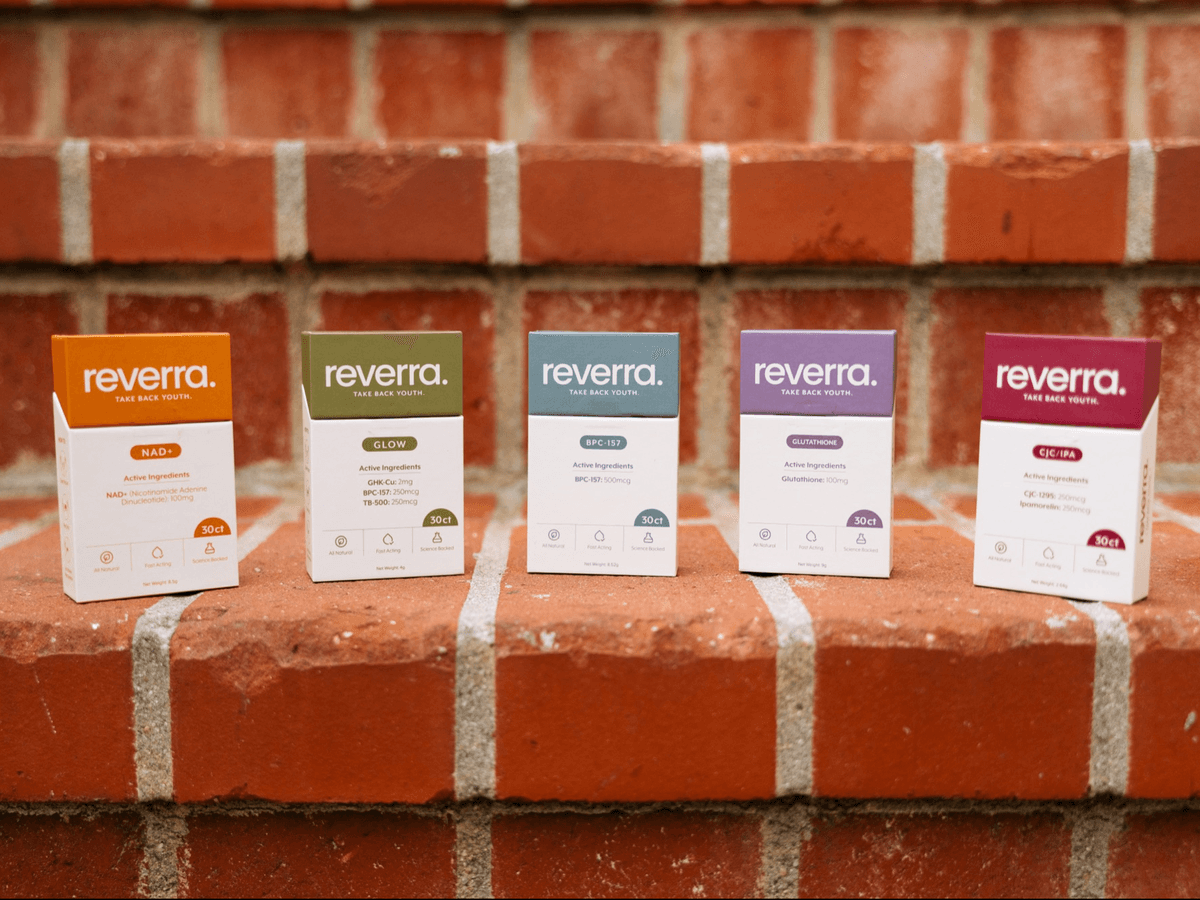
Reverra's Vitality strip carries 100mg of NAD+ per strip. Follow the label directions.
So which should you take?
If you are comparing a swallowed capsule of NAD+ against NMN, the precursor argument has a point: digestion is rough on the bigger molecule. Most human research so far is on the precursors (NR and NMN), not on NAD+ taken by mouth.
Common questions
Is taking NAD+ orally effective?
Human studies on taking NAD+ by mouth are limited, for capsules and strips alike. Most research so far is on the precursors NR and NMN.
When should you take NAD+?
Follow the label directions.
Keep reading
This article is for general information and is not medical advice. These statements have not been evaluated by the Food and Drug Administration. Reverra products are not intended to diagnose, treat, cure, or prevent any disease. Consult your healthcare provider before starting any supplement.